Abstract
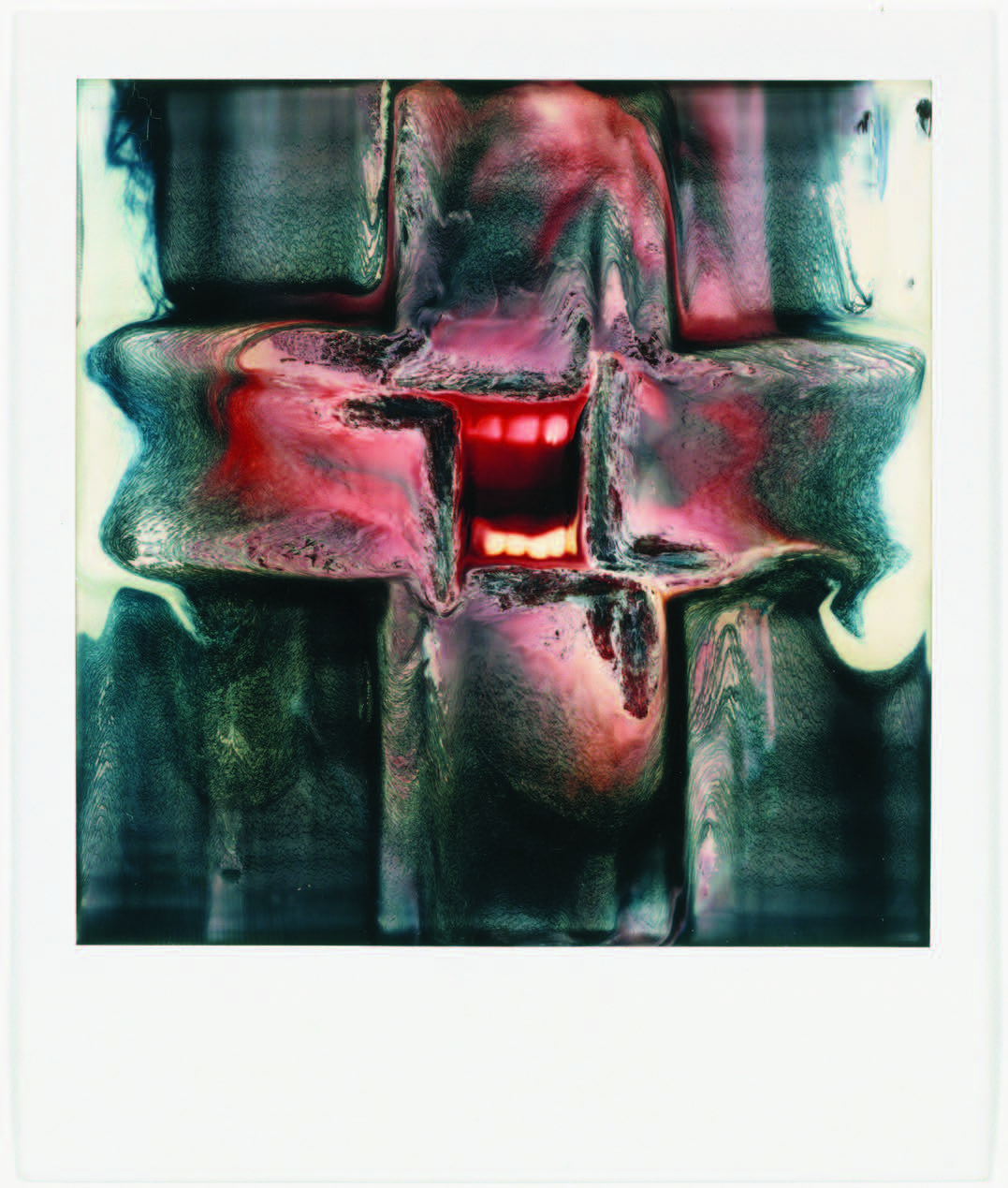
To begin, I read the Photo-Transformations against the SX-70’s technical history, examining how they challenge the Polaroid Corp oration’s drive to occlude photography’s liquidity. I then demonstrate how the Photo-Transformations surface the corporation’s “material unconscious,” foregrounding the repressed chemical emulsion as an actant in photographic production and recasting it as abject matter.11 The disruption of Polaroid’s interior opens onto its externalities—namely, a buried history of the company’s toxic releases and ungovernable spills. Finally, I argue that the Photo-Transformations advance a queer ecological thought avant la lettre. Through the erotics of touch, Samaras subverts the dominant “straight” photographic aesthetic of the 1960s and 1970s and animates nonnormative photochemical intimacies, performing new attachments between the human and the more than human. In short, what Samaras does to the emulsion must be understood alongside what the emulsion does back.